> For the complete documentation index, see [llms.txt](https://docs.neurelo.com/llms.txt). Markdown versions of documentation pages are available by appending `.md` to page URLs; this page is available as [Markdown](https://docs.neurelo.com/guides/remote-git-repository-for-definitions/connecting-a-remote-git-repo.md).
# Connecting a Remote Git Repo
In this example, we will be using [Github](https://github.com/) as a representative example of a platform where you have your git repository. You can use similar steps to connect git repos in other plaforms such as [Gitlab](https://about.gitlab.com/), [BitBucket](https://bitbucket.org/) and others.
### Setup with GitHub using Deploy Keys
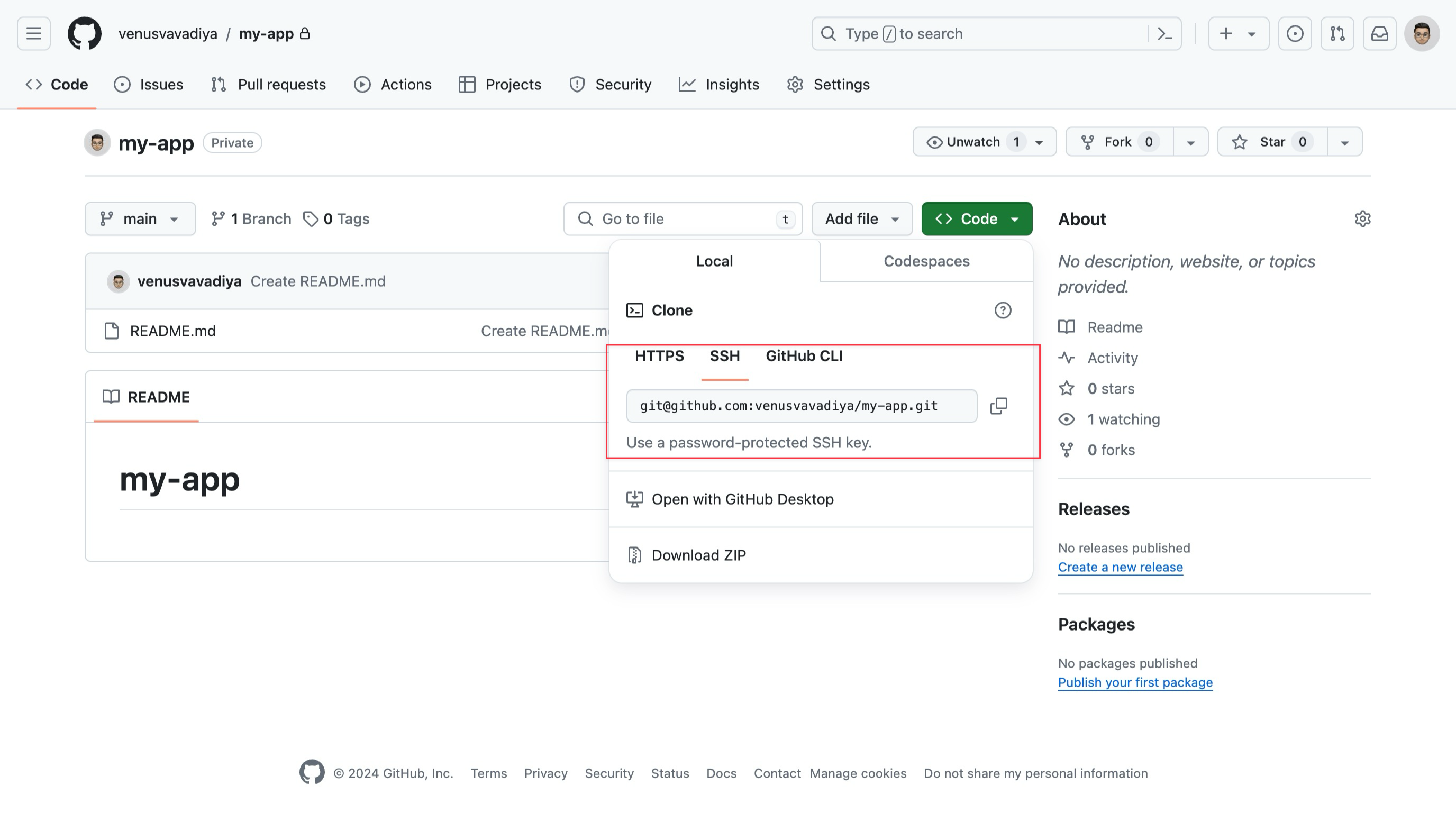
Let’s say we have a private GitHub Repository named `my-app` and want to use it for the Neurelo definitions in the project. The recommended way to connect the repository with Neurelo is to use the “Deploy Keys” feature.
* Copy the SSH URL for the Repository from GitHub
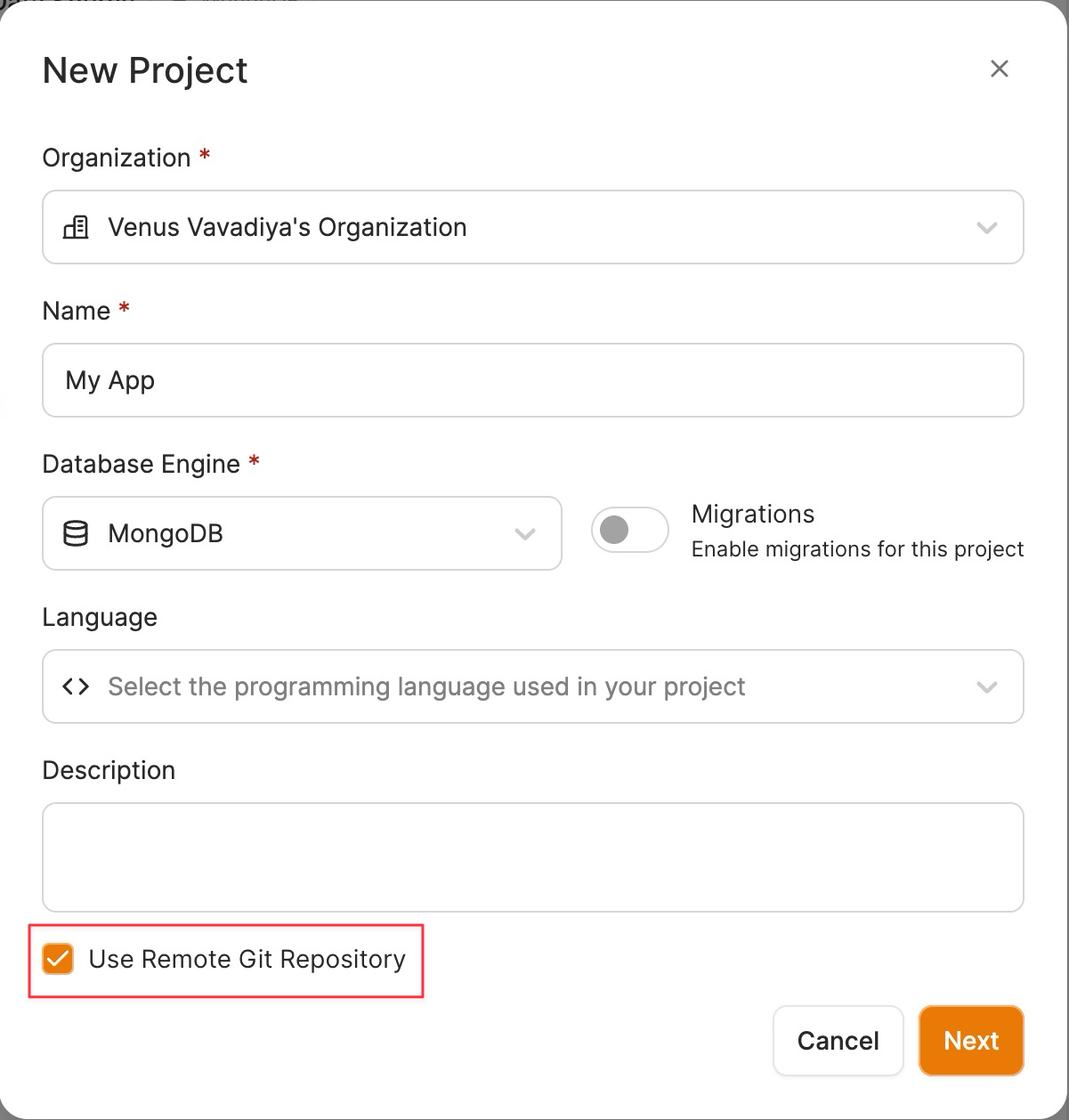
* Next, Create a new Project in Neurelo, set the name and the database engine, check the “Use Remote Git Repository” check box, and click “Next.”
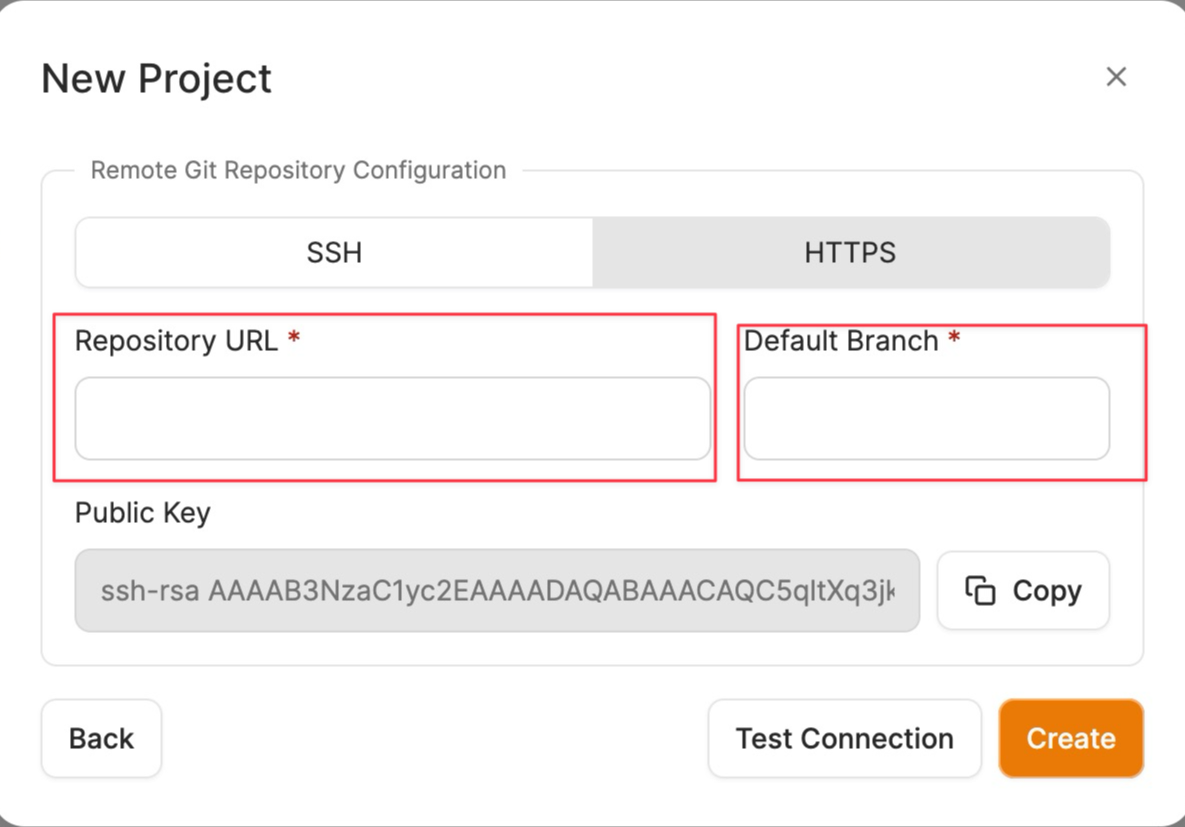
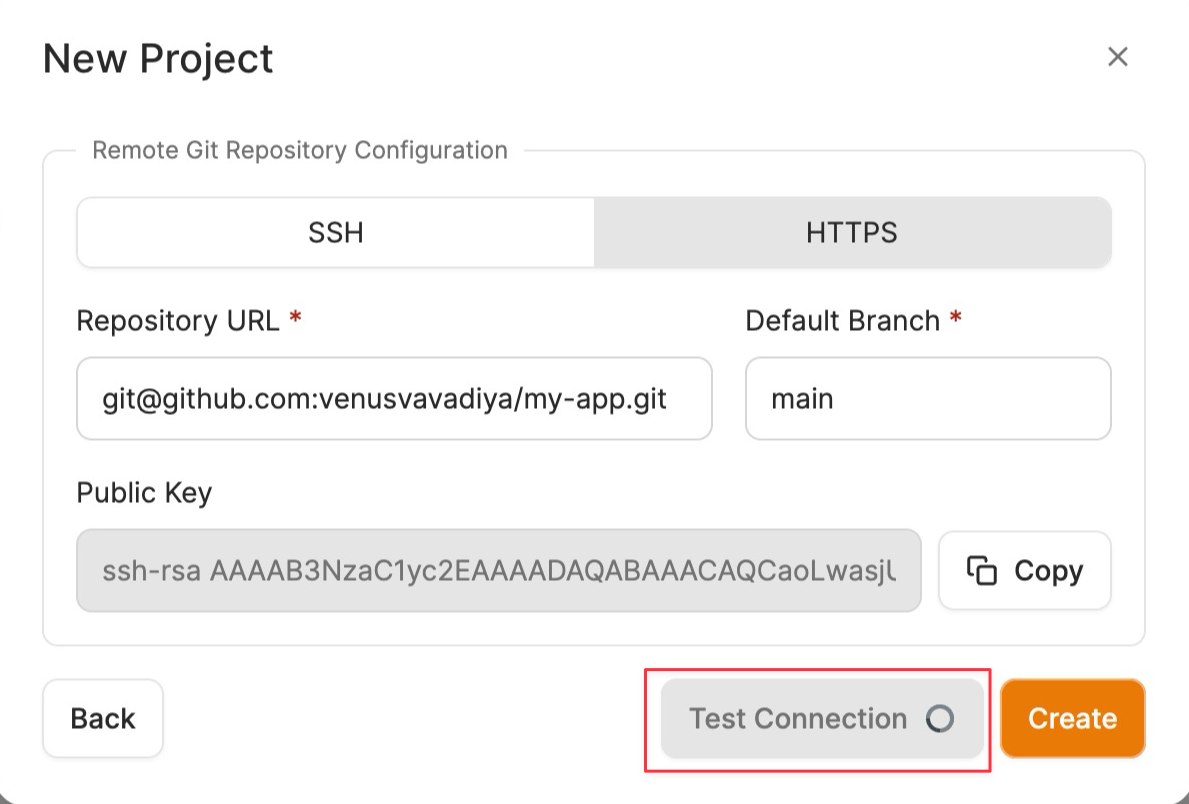
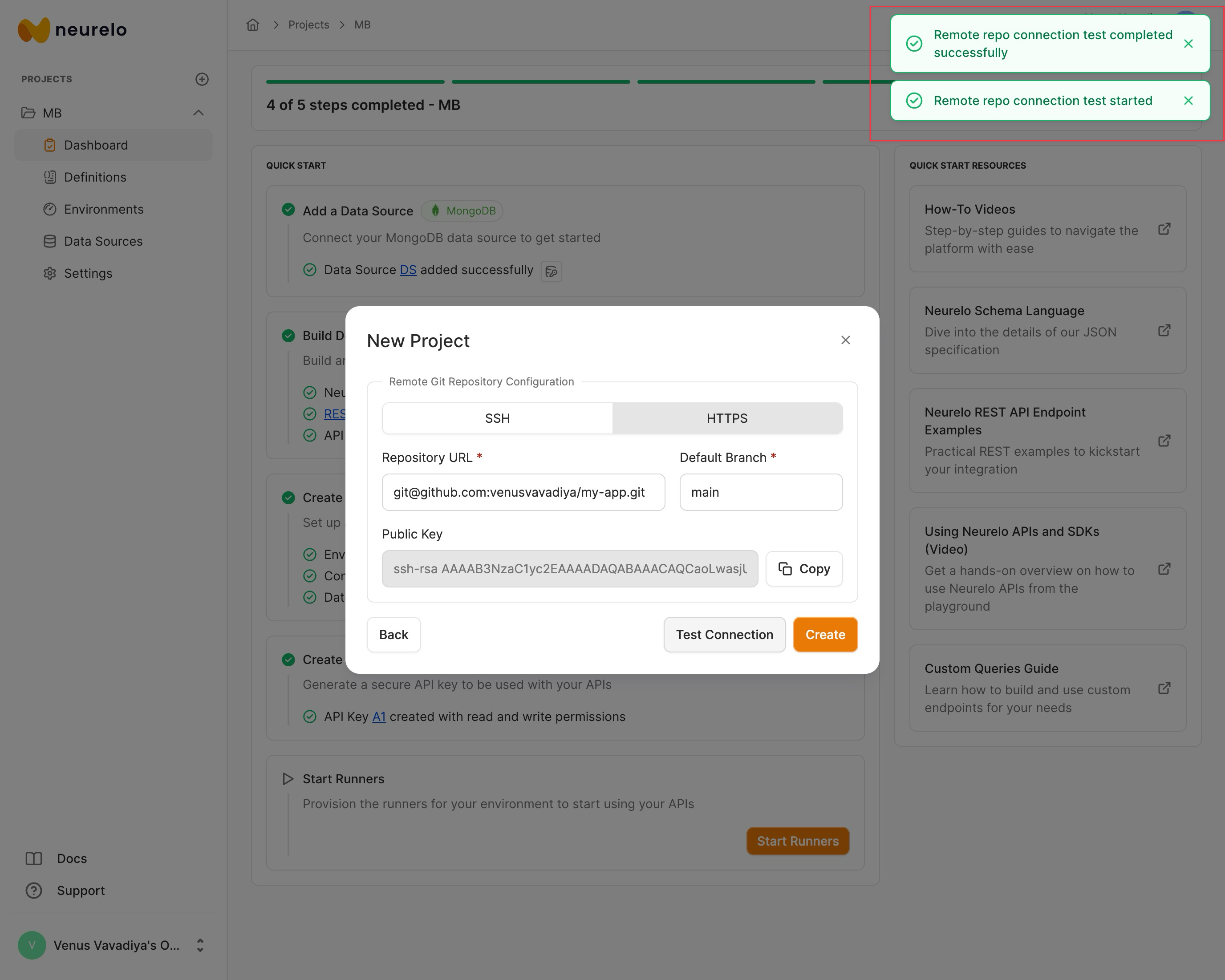
* This will open the Repository Configuration. Select the “SSH” mode and enter the SSH URL we copied from GitHub in the “Repository URL.” In our example, the `main` is the default branch.
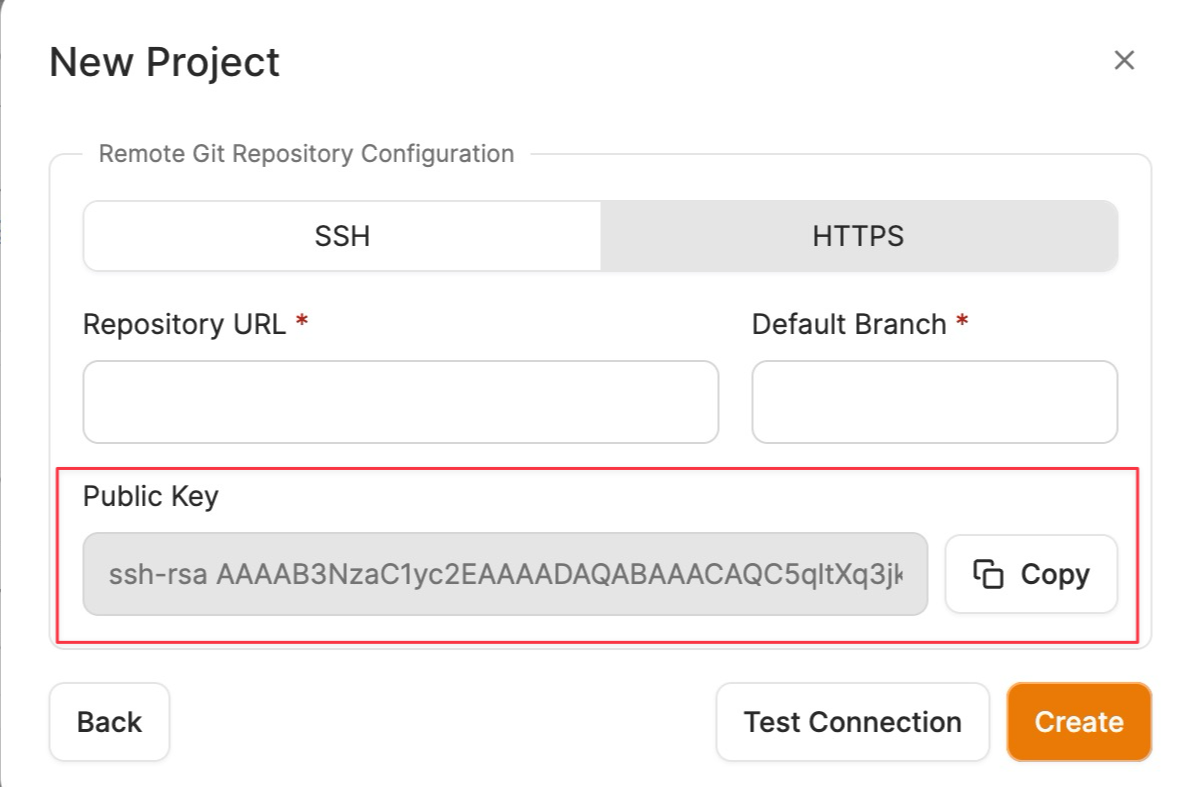
Next we need to add the Neurelo Public Key into the GitHub Repository
* Copy the Public Key from the Neurelo project
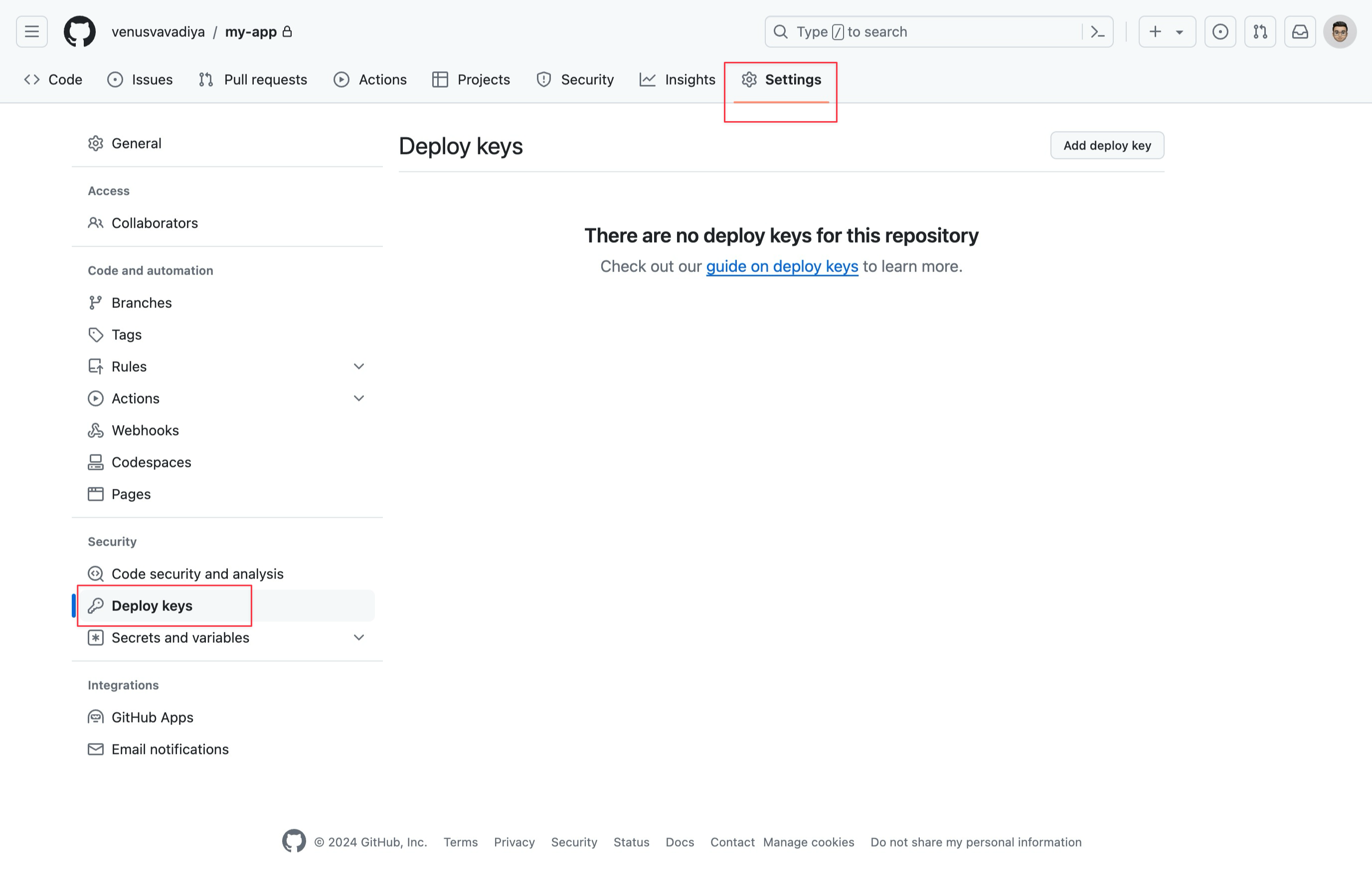
* Navigate to the Settings tab in your GitHub repository and open the “Deploy keys” page
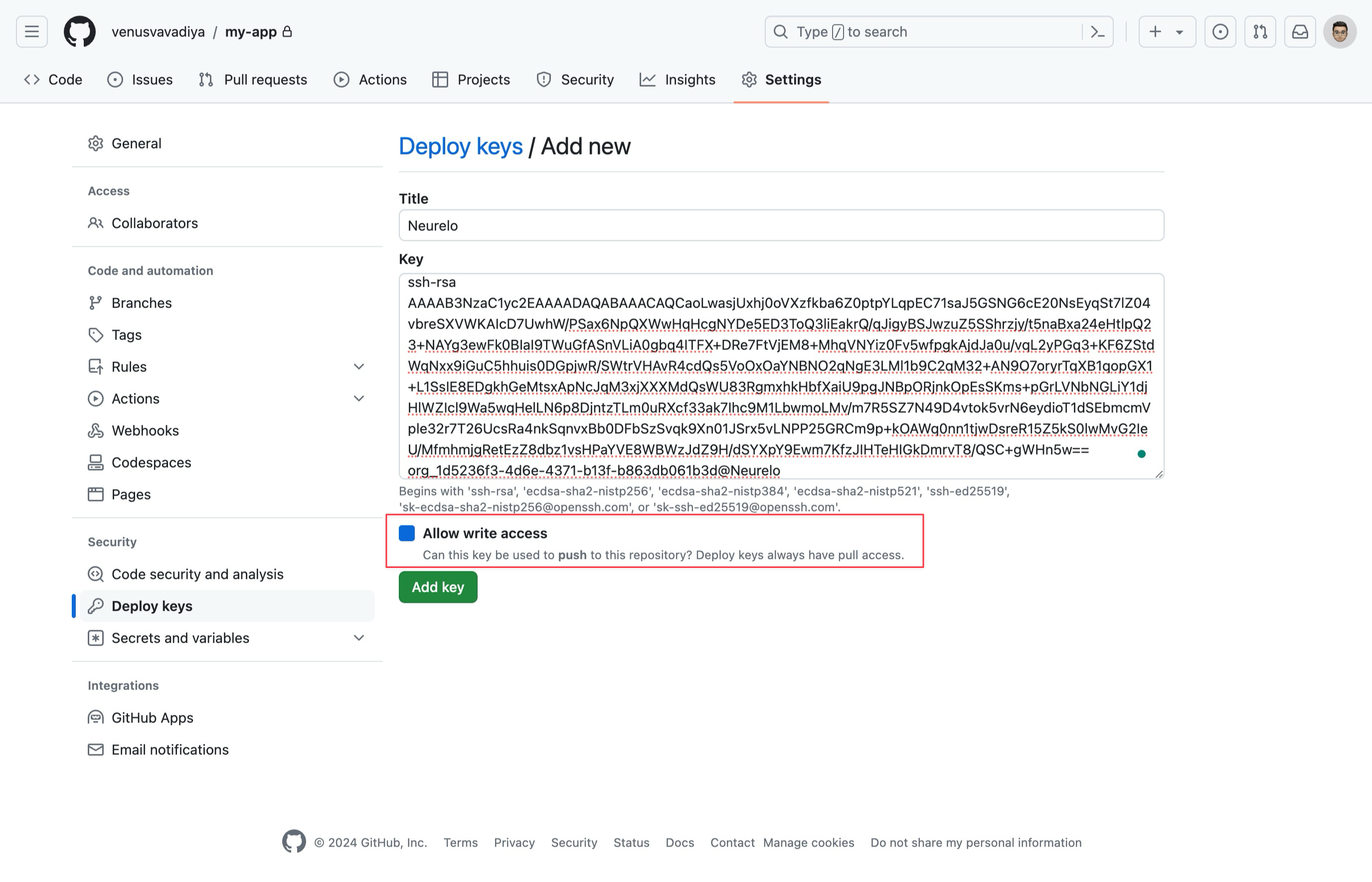
* Paste the Public Key from the Neurelo Remote Git Configuration Dialog. Ensure that “Allow write access” is enabled so Neurelo can commit the definitions.
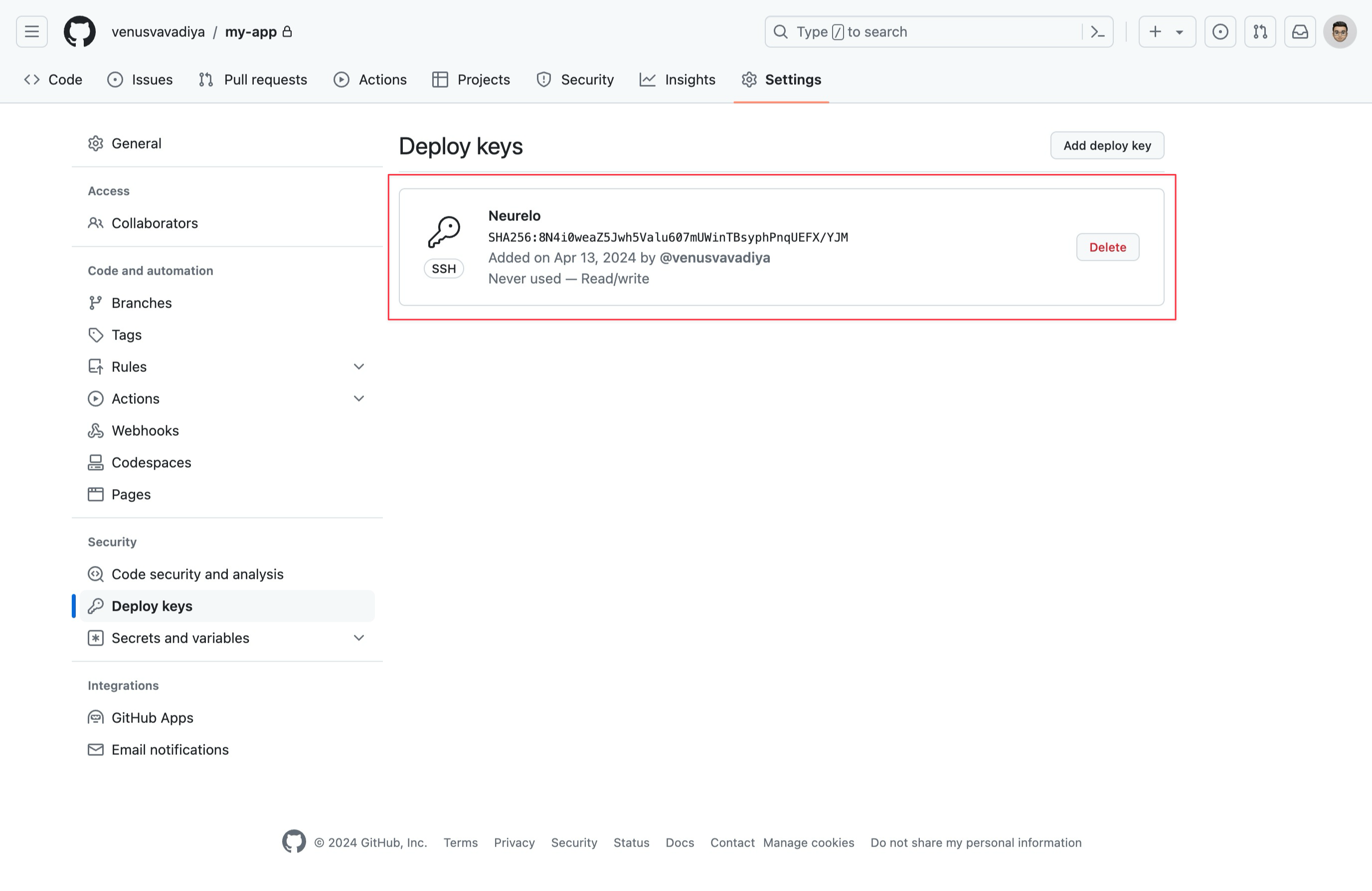
* Once added, the key will show up on the Deploy Keys page. It should have the “Read/write” permissions.
### Test the Connection
* Once the Public key has been added, click “Test Connection” to ensure Neurelo can connect with your repository.
* Wait for Neurelo to try to test the connection. Upon success, you will see a “Remote repo connection test completed successfully” toast. Click on “Create.”
* If you navigate to the “Definitions” and open the history, you should be able to see the commits from your Git Repository.